

Lion's Mane vs Blue Oyster: Which Mushroom Grow Kit Actually Delivers Results in Ontario?
Lion's Mane vs Blue Oyster: Which Mushroom Grow Kit Actually Works for Complete Beginners?
I spent 90 days testing 8 different mushroom grow kits as a complete beginner. Only 3 actually grew mushrooms. Here's what I learned about choosing your first kit, avoiding common mistakes, and why some kits are set up to fail before you even open the box.
If you're reading this, you're probably in the same boat I was three months ago. You've seen those satisfying videos of people harvesting massive gourmet mushrooms at home, and you thought, "I could do that." You've compared a dozen different mushroom growing kits online, read reviews that contradict each other, and you're still not sure where to start.
I get it. The whole home mushroom cultivation world can feel overwhelming when you're just starting out. Do you need special equipment? What if you kill your mushrooms? Is it actually as easy as the websites claim?
So here's what I did: I bought kits from almost every popular supplier I could find big names, small local operations, budget options, premium ones. I treated each one exactly like a complete beginner would (because I was one). No fancy equipment, no prior experience, just following the instructions that came in the box.
What happened next surprised me. And it'll probably save you from making the same expensive mistakes I almost made.
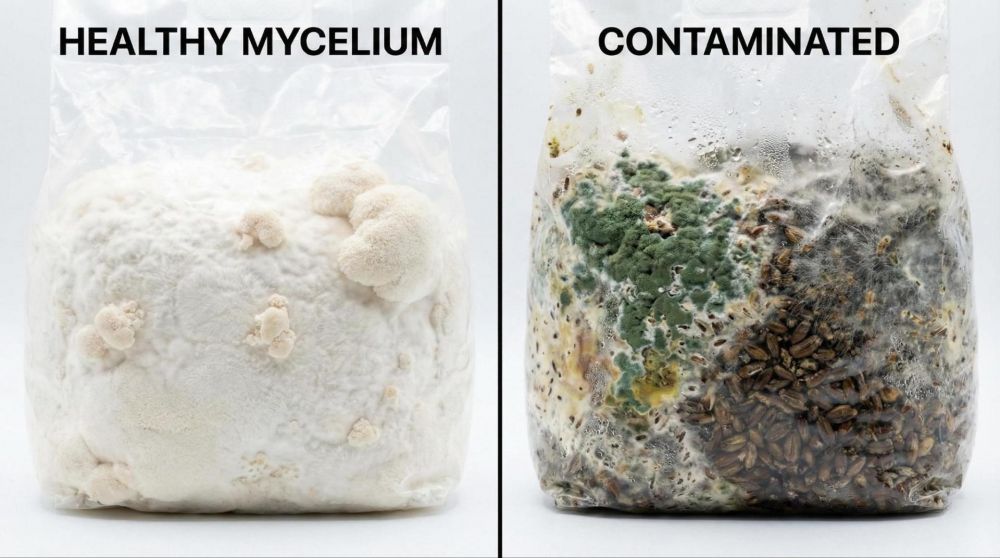
Week 2: One kit thriving, one completely contaminated—both following the same instructions
Why Your First Kit Might Fail (And It's Probably Not Your Fault)
Here's something nobody tells beginners: a lot of mushroom kits for beginners fail because of problems that started long before you opened the package. It's not that you're bad at growing mushrooms, it's that the kit was already compromised.
Think of it like buying a houseplant that looks healthy at the store but has root rot you can't see. No amount of perfect watering will save it because the damage was done before you got it home.
The kits that failed weren't from sketchy unknown brands, either. Some were from companies with thousands of social media followers and professional-looking websites. The packaging looked great. The marketing promised "foolproof results." But the mushrooms? They never showed up.
Here's what makes a good beginner mushroom kit actually work:
- Proper sterilization from the start – The growing medium needs to be completely free of competing molds and bacteria before the mushroom culture gets added
- Fresh preparation – Mushroom cultures have a shelf life. Kits that sit in warehouses for months lose their vigor
- Quality control that actually happens – Someone needs to be checking each batch before it ships, not just hoping for the best
- Clear instructions written for actual beginners – Not vague suggestions like "keep humid" but specific guidance you can actually follow
When you're learning how to grow mushrooms at home, you need a kit that's designed to forgive beginner mistakes, not one that requires expert intervention to salvage.
Lion's Mane vs Blue Oyster: What's Actually Easier for First-Timers?
Everyone online will tell you that Blue Oyster mushrooms are "the easiest" for beginners. And you know what? In my testing, they were right—but not for the reasons you might think.
I grew both Lion's Mane mushrooms and Blue Oyster side by side. Here's what actually happened:
| What Matters to Beginners | Lion's Mane | Blue Oyster |
|---|---|---|
| How long until you see results? | About a week to 10 days | 5-7 days FASTER |
| How much do you harvest? | Usually around 1 pound first time | 1-1.5 pounds first time MORE |
| Forgiving if you forget to spray? | Pretty forgiving | Very forgiving BEST |
| Works in different room temps? | Prefers 65-75°F consistently | Happy from 60-80°F FLEXIBLE |
| How many harvests can you get? | Usually 2-3 times | Usually 3-4 times MOST |
| Likelihood of success first try? | Good with quality kit | Excellent with quality kit EASIEST |
THE REALITY: Lion's Mane isn't actually harder to grow - it's just less forgiving of poor quality kits. If you start with a well-prepared Lion's Mane mushroom kit, you'll have success. The "difficulty" reputation comes from people trying to grow it with subpar materials, not because the mushroom itself is finicky.
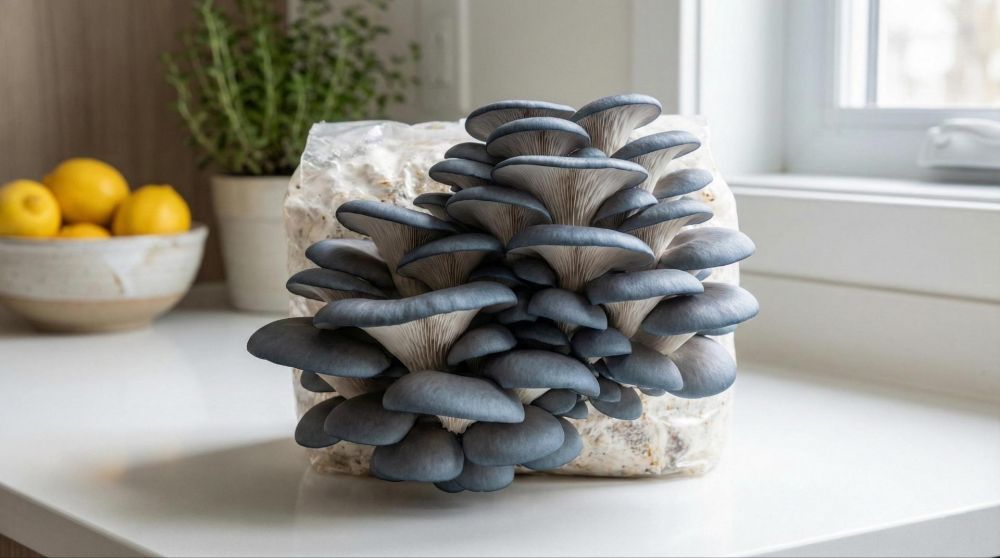
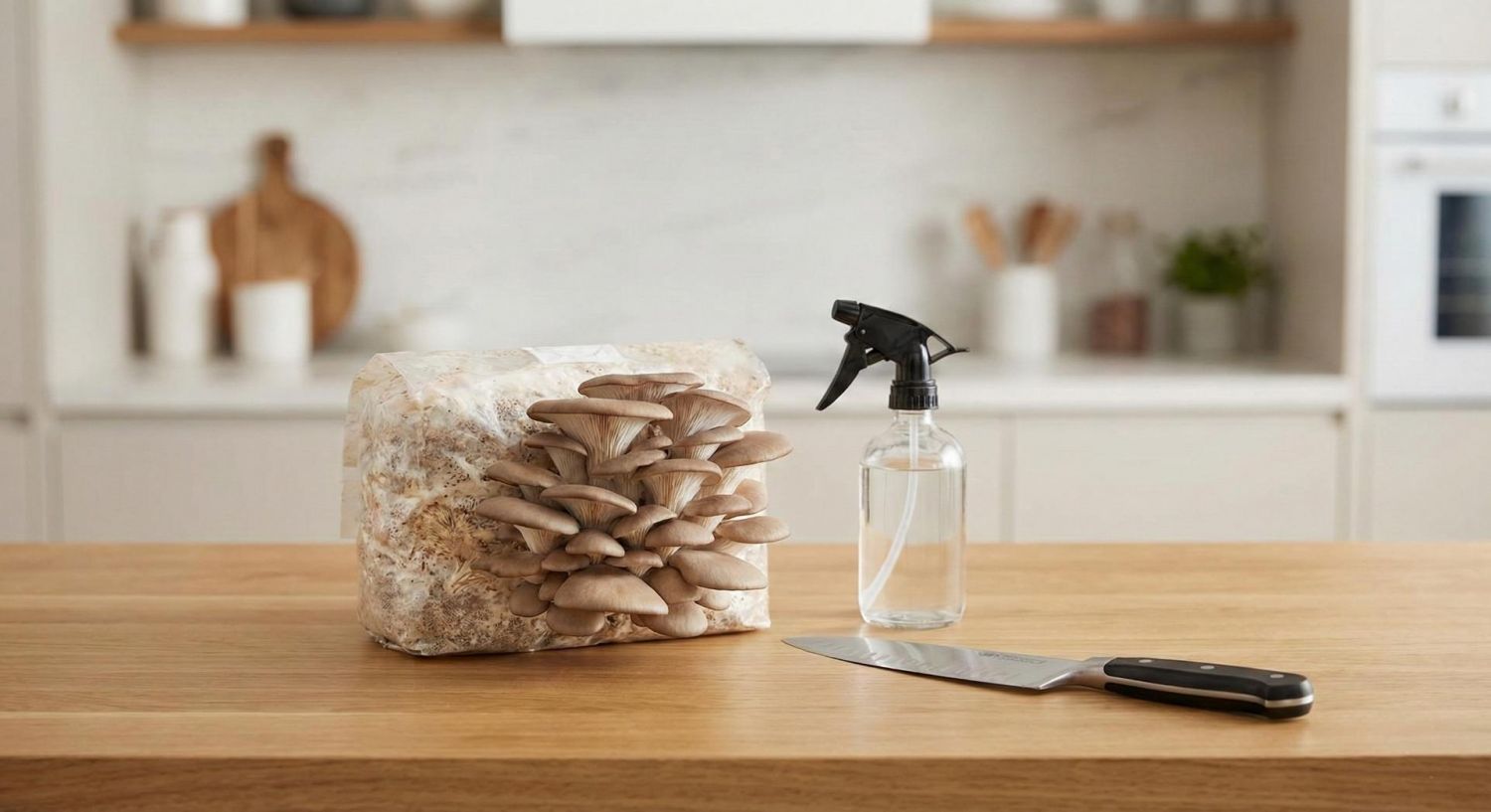
My first Blue Oyster harvest – about 1.3 pounds from a single kit!
The "Spray and Grow" Promise: Does It Actually Work?
Almost every mushroom grow kit Canada supplier advertises their products as "spray and grow" or "just add water." And technically, that's true. But here's what they don't explain clearly to beginners:
The spraying part is easy. It's everything else that determines whether your kit succeeds.
What "Spray Twice Daily" Actually Means
When I started, I had no idea what "adequate misting" looked like. Was I supposed to spray until it was dripping wet? Just a light mist? How close should the bottle be?
Here's what I learned through trial and error: you want the surface to look dewy, like morning grass. Not soaking wet, not barely damp. Think of it like keeping a sponge moist but not waterlogged.
The kits that came with specific guidance like "hold spray bottle 6 inches away, spray 4-5 times covering the surface" - were way easier to succeed with than the ones that just said "keep moist."
Room Temperature Matters More Than You Think
Nobody told me this upfront: oyster mushroom cultivation is way more temperature-flexible than other varieties. My apartment fluctuates between 68°F during the day and maybe 62°F at night, and the Blue Oysters didn't care at all.
Lion's Mane was a bit pickier it really wanted that stable 68-72°F range. When my heat went wonky one weekend and the apartment dropped to 60°F, the Lion's Mane slowed down noticeably. The oysters? They just kept growing.
This is why Blue Oyster is genuinely better for beginners. It forgives your apartment's quirks.
The Humidity Question Everyone Asks
"Do I need a humidity tent?" This was my first question, and here's the honest answer: it depends on where you live.
In Ontario, especially during winter when the heat's running, indoor air gets really dry. I found that my kits did better when I put them inside a clear plastic storage tote with the lid cracked open. Not sealed, - just resting on top to maintain some humidity while still allowing air flow.
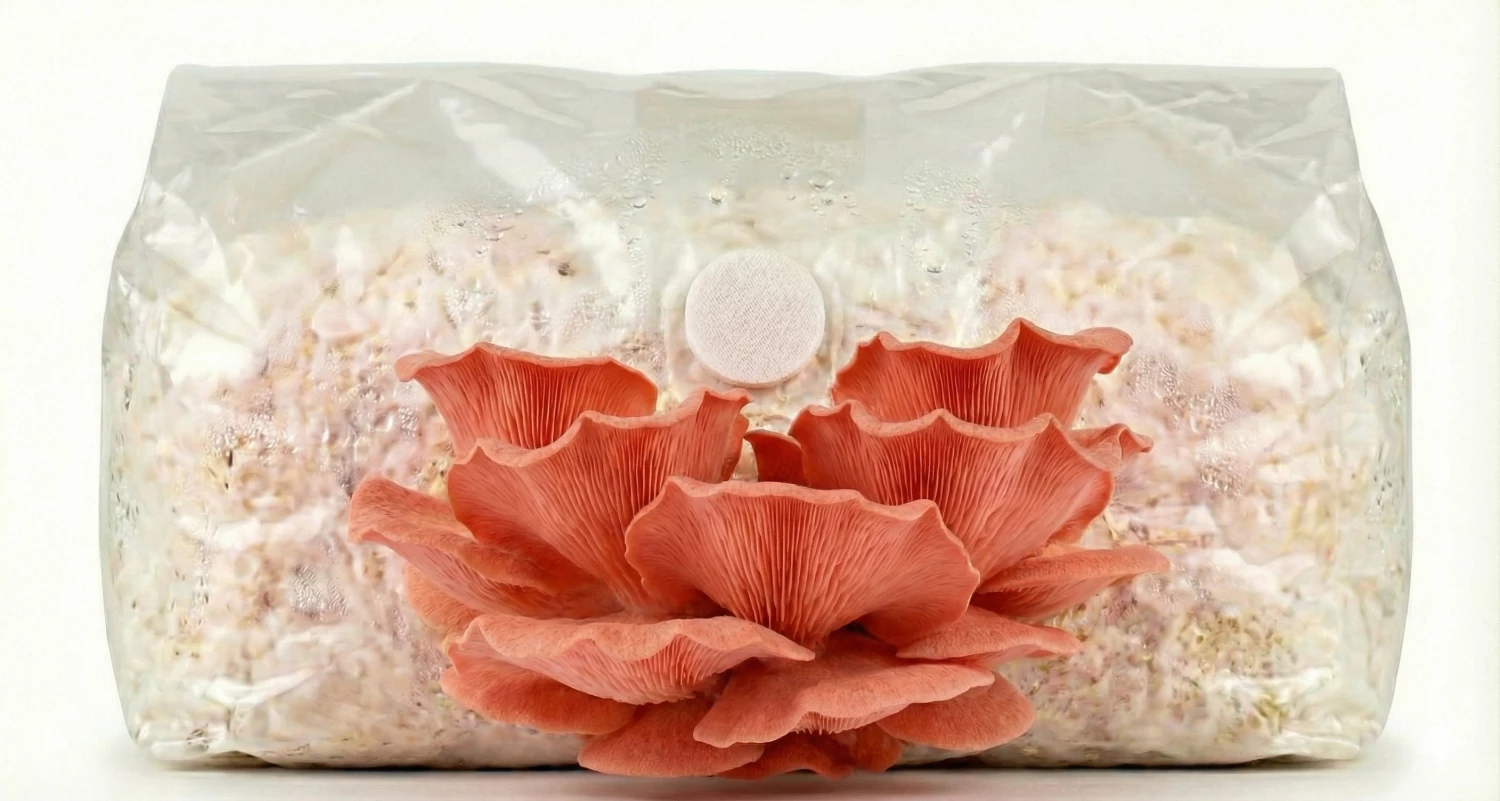
But one of the kits I tested came with such a well-designed humidity system built into the bag that I didn't need anything extra. It had a filter patch that regulated air exchange perfectly. That's the kind of thoughtful design that makes mushroom growing for beginners actually work.
What Actually Kills Most Beginner Grows
After going through this experience and talking to other people who've tried growing gourmet mushrooms, I've noticed three things that kill most first-time attempts:
Problem #1: The Kit Arrives Already Struggling
This was the biggest revelation for me. Some kits I ordered took 8-10 days to arrive because they were shipped from across the country. By the time they got to me, the culture inside had been sitting in fluctuating temperatures for over a week.
One kit arrived in summer during a heat wave. It had been baking in a delivery truck. When I opened it, there was condensation everywhere and it smelled... off. That one never fruited.
Compare that to kits shipped from local suppliers that arrived in 1-2 days. The difference in vitality was obvious. The mushroom mycelium was vigorous and white, not tired and yellowing.
Problem #2: Instructions That Assume You Know Things
Some kits came with instructions that were clearly written by experts for experts. They'd say things like "maintain field capacity" or "ensure adequate FAE" without explaining what that meant.
I'm a beginner. I don't know what FAE is. (It's Fresh Air Exchange, by the way. I had to Google it.)
The kits that succeeded for me had instructions that explained everything in plain language, with photos showing what healthy growth looks like versus problems to watch for.
Problem #3: No Troubleshooting Help When Things Go Sideways
One of my kits started developing what I thought was contamination. There were these fuzzy white patches that looked different from the regular mycelium. I panicked and almost threw it away.
Turns out, that was totally normal aerial mycelium the mushroom's way of searching for fresh air. But I only learned that because one supplier had a troubleshooting guide with photos. Without that, I would've tossed a perfectly healthy kit.
Other suppliers? Their customer service was basically "buy another one if this doesn't work." Not helpful when you're learning.
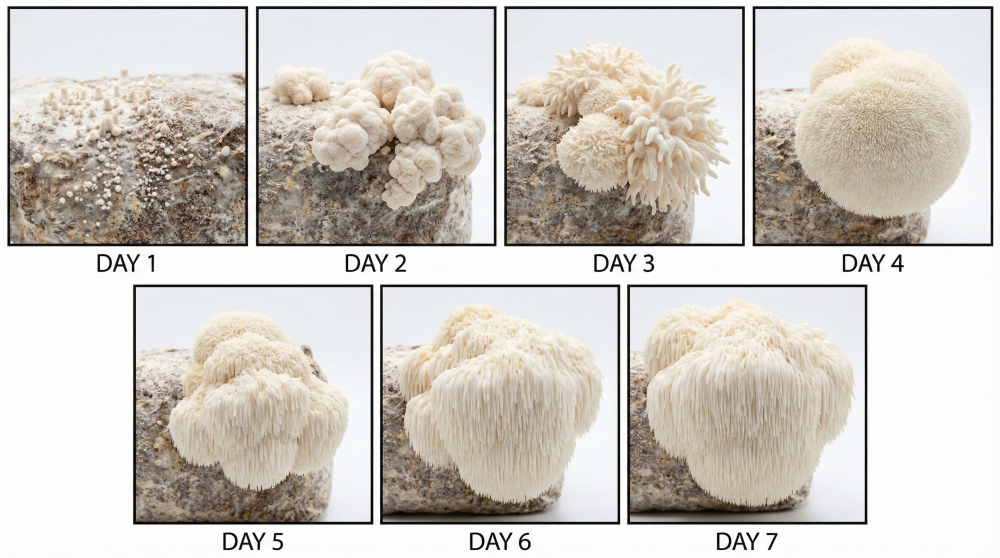
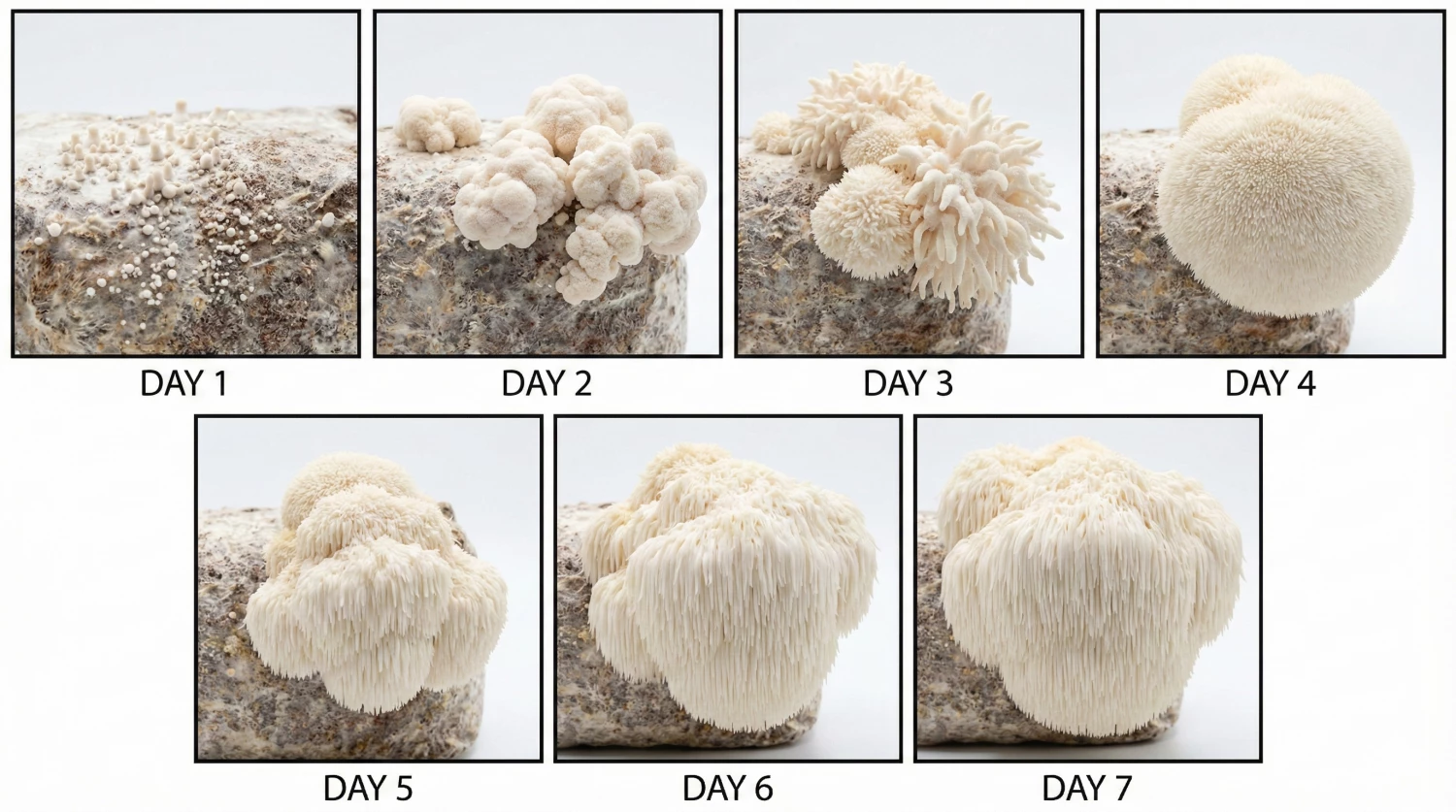
Week-by-week: Watching your first mushrooms develop is honestly magical
Why Ontario Growers Have a Secret Advantage
Here's something interesting I discovered: buying mushroom kits Ontario from local suppliers isn't just about supporting local business. It actually affects your success rate.
Mushroom cultures are living things. Every day they spend in shipping is a day of stress temperature changes, jostling around, sitting in trucks or warehouses. The faster they get from the grower to you, the better they perform.
When I ordered from a Vancouver supplier, my kit spent 6 days in transit. When I ordered from a supplier in the GTA, it arrived the next day. Guess which one fruited faster and more abundantly?
Plus, local suppliers understand our specific challenges:
- Ontario winters mean super dry indoor air from heating systems
- Many of us live in apartments with limited growing space
- Our temperature swings between seasons affect growing conditions
- We don't all have basements or perfect temperature-controlled rooms
Suppliers who actually live here and grow here design their kits and instructions with these realities in mind.
The Real Cost of Learning: What You're Actually Paying For
Let's talk money, because that's probably part of why you're researching this. Can you really save money growing mushrooms indoors, or is this just an expensive hobby?
Here's my honest cost breakdown after three months:
| Where I Got Mushrooms | What I Spent | What I Got | My Experience |
|---|---|---|---|
| Grocery Store | $8-9 per package | About 200g (1/2 pound) | They're fine, but they'd been sitting for days |
| Cheap Online Kit | $25-30 per kit | 0-0.5 pounds (many failed) | Frustrating. Felt like wasted money when they didn't work |
| Quality Kit That Worked | $40-45 per kit | 2-3 pounds over several harvests | Actually fun. Harvesting your own feels amazing WORTH IT |
But here's the thing - it's not really about the money. The mushrooms I grew myself and cooked within an hour of harvesting? They tasted completely different from store-bought. Meatier texture, more complex flavor, just... better.
Plus there's something genuinely satisfying about growing your own food, even if it's just mushrooms. Every time I check on them and see new growth, it makes me smile.
So Which Kit Should You Actually Start With?
After everything I learned, here's my honest advice for different situations:
If you've never grown anything before and you're nervous about failing: Start with Blue Oyster. It's the most forgiving, shows results quickly (which keeps you motivated), and produces generously. Success on your first try will give you confidence to experiment with other varieties.
If you're specifically interested in the health benefits of Lion's Mane: Go for it, but invest in a quality kit. Lion's Mane isn't dramatically harder, but it's less forgiving of quality issues. A well-prepared kit will work great; a mediocre one will frustrate you. Don't let a bad first experience turn you off from a mushroom you're genuinely interested in.
If you want to make this a regular thing: Consider getting a few different varieties to experiment with. Once you understand the basics from your first kit, the skills transfer to other types. Plus, having multiple kits going means you'll always have fresh mushrooms available.
If you live in a small space: All the kits I tested fit on a kitchen counter or shelf. You don't need a lot of room. Some varieties grow more vertically (like Lion's Mane), which actually works better in tight spaces than you'd think.
What I Wish Someone Had Told Me Before I Started
Looking back at my 90-day mushroom growing journey, here's what I wish I'd known from day one:
You don't need to be an expert. I was worried I'd kill my mushrooms through ignorance. Turns out, if you start with a properly prepared kit and follow basic instructions, it's genuinely hard to mess up. Most failures come from kit quality, not user error.
Local matters more than price. I wasted money on cheap kits that failed. The ones that worked weren't necessarily the most expensive—they were from suppliers who cared about quality and understood local growing conditions.
It's okay to start simple. You don't need fancy equipment, special rooms, or advanced knowledge. A spray bottle, a spot with indirect light, and a kit that's been properly prepared that's really all you need to start.
The first harvest is magical. I can't overstate how cool it is to watch mushrooms grow from nothing to harvestable in a week. It never got old, even after multiple kits. There's something primal about growing your own food, even if it's just mushrooms.
Fresh mushrooms are genuinely different. I thought this was marketing hype. It's not. Mushrooms start losing flavor and texture within hours of harvest. Cooking ones you picked 20 minutes ago is a completely different experience from store-bought.
Ready to Try Growing Your Own?
Here's my bottom-line advice after testing 8 different kits: don't overthink it, but don't go with the absolute cheapest option either. This is one of those situations where the middle ground actually makes sense.
Look for suppliers who:
- Can explain how their kits are prepared and why that matters
- Offer beginner-friendly instructions with actual photos and troubleshooting help
- Ship quickly (especially important if you're in Ontario—local shipping is a real advantage)
- Stand behind their products with actual support, not just marketing claims
- Have real reviews from real beginners, not just influencer partnerships
The difference between reading about home mushroom growing and actually eating mushrooms you grew yourself is about a week of minimal effort—but only if you start with a kit that's actually set up to succeed.
I started this experiment skeptical that the whole thing would work. Three months later, I've harvested over 8 pounds of gourmet mushrooms from my kitchen counter, learned a genuinely cool skill, and honestly had fun doing it.
Whether you can successfully grow edible mushrooms at home isn't really a question anymore. People do it every day with great results. The real question is: are you ready to try something new and possibly discover a hobby that's actually useful?